Scripture over Custom

And They Shall Be One Flesh
Marriage began with God—but does marriage today still reflect what He created in Eden? Return to Scripture to examine what it means for husband and wife to become “one flesh,” the responsibilities God gave each, and the deeper meaning of a union intended to reflect Christ and His church.
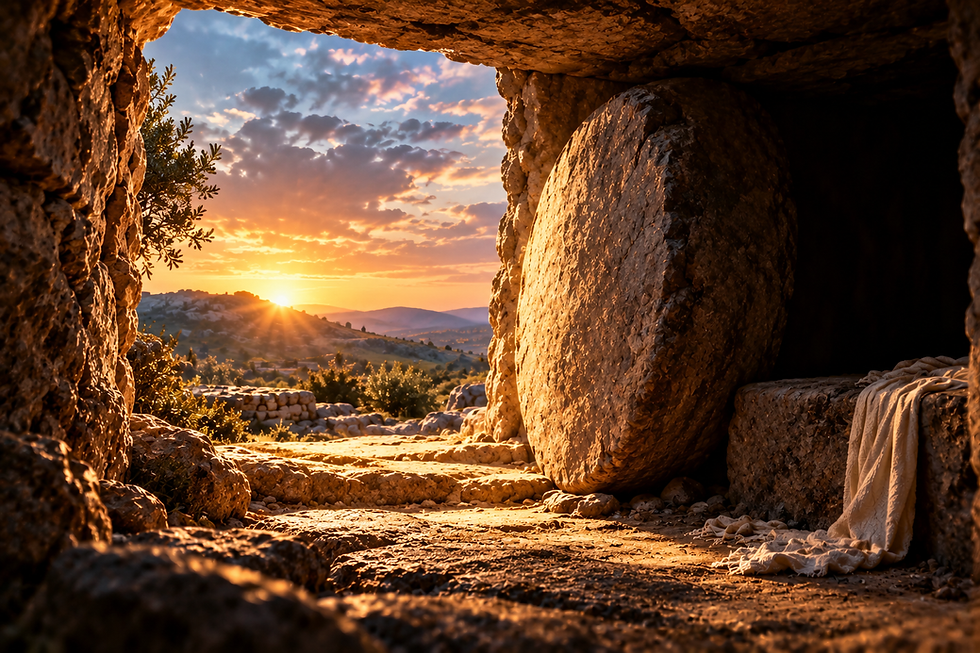
Christ's Passion Week
Good Friday and Easter Sunday are deeply rooted Christian traditions—but do they fit the biblical account? Follow the Scriptures through Christ’s final week, distinguish between the two Sabbaths involved, and examine the timing of His death, burial, and resurrection apart from centuries of tradition.

God's Eternal Law
Were the Ten Commandments nailed to the cross, or has Christianity confused God’s eternal moral law with something else? Examine the biblical distinction between the commandments of God and the ordinances of Moses—and what that distinction means for Christians today.

God's True Israel
Who is Israel according to Scripture—an ethnic people, the church, or something more? Trace God’s covenant people from before Abraham through the coming of Christ, and examine why Scripture presents Jew and Gentile as one people of faith, with one God, one covenant standard, and one promised inheritance.

House of Merchandise
Scripture teaches believers to give and ministers to live of the gospel—but what happens when ministry becomes a marketplace? Examine the biblical line between supporting God’s work and profiting from it, and how the love of money has turned parts of modern Christianity into a house of merchandise.

In Remembrance of Me
Communion is observed throughout Christianity—but does the way it is practiced follow the biblical example? Examine the Lord’s Supper in its Passover setting, its appointed timing and purpose, and the solemn meaning behind Christ’s command, “this do in remembrance of me.”

Is Christ Divided?
Christ prayed for unity, yet Christianity is divided into denominations with conflicting doctrines and practices. Does Scripture support these divisions? Examine how sectarianism has shaped the body of Christ—and why our allegiance must be to Christ and the Word of God rather than a denomination.

Is Jesus God?
Who is Jesus Christ according to Scripture? Was He merely the Son of God who began at Bethlehem, or does the Bible reveal something far greater? Follow the testimony of Scripture concerning His identity, His existence before Abraham, His role in creation, and His equality with God.

Law and Grace
Does grace free the Christian from obedience to God's law, or has Scripture been misunderstood? Examine what Paul meant by being “under grace” and “dead to the law,” the difference between God's moral law and the law of sin and death, and how genuine grace transforms the believer's life.

Satan and the Hell Fire
Popular images of Satan and hell have shaped Christian belief for centuries—but do they agree with Scripture? Examine who Satan is, where he came from, the limits of his power, and what the Bible actually teaches about hell fire, judgment, and the final fate of the wicked.

The Doctrine of Baptisms
Baptism is a familiar Christian practice, but Scripture speaks of more than one baptism. Explore the biblical doctrine of baptisms—water, the Holy Ghost, and fire—and examine what each represents, why the condition of the heart matters, and what baptism means in the life of a believer.

The Fourth Commandment
God said, “Remember the sabbath day, to keep it holy.” Yet most Christians worship on another day. Trace the Sabbath from creation through Scripture, examine the claims used to support Sunday observance, and consider whether God ever changed, replaced, or abolished the seventh-day Sabbath.

The State of the Dead
What really happens when we die? Popular Christianity offers many answers, but Scripture speaks plainly about the soul, the spirit, death, and the resurrection. Examine whether the dead are conscious in heaven or hell—or asleep in the grave awaiting the voice of Christ.

The Third Commandment
Does taking God's name in vain mean only using His name as a curse? Examine the deeper meaning of the third commandment and what it means to carry the name of the LORD with falsehood or emptiness—and why bearing His name is a matter of devotion, character, and faithful representation.

Who are the Sons of God?
Were the “sons of God” in Genesis 6 fallen angels who fathered children with human women? Follow the phrase through Scripture, examine what Jesus taught about angels and marriage, and consider the biblical case that these sons were men who belonged to God—not angelic beings.

Who is Michael the Archangel?
Who is Michael the Archangel—the highest of created angels, or does Scripture point to another identity? Follow the biblical references to Michael, the “great prince,” the voice of the Archangel, the resurrection of the dead, and the evidence connecting this majestic figure with Jesus Christ.